
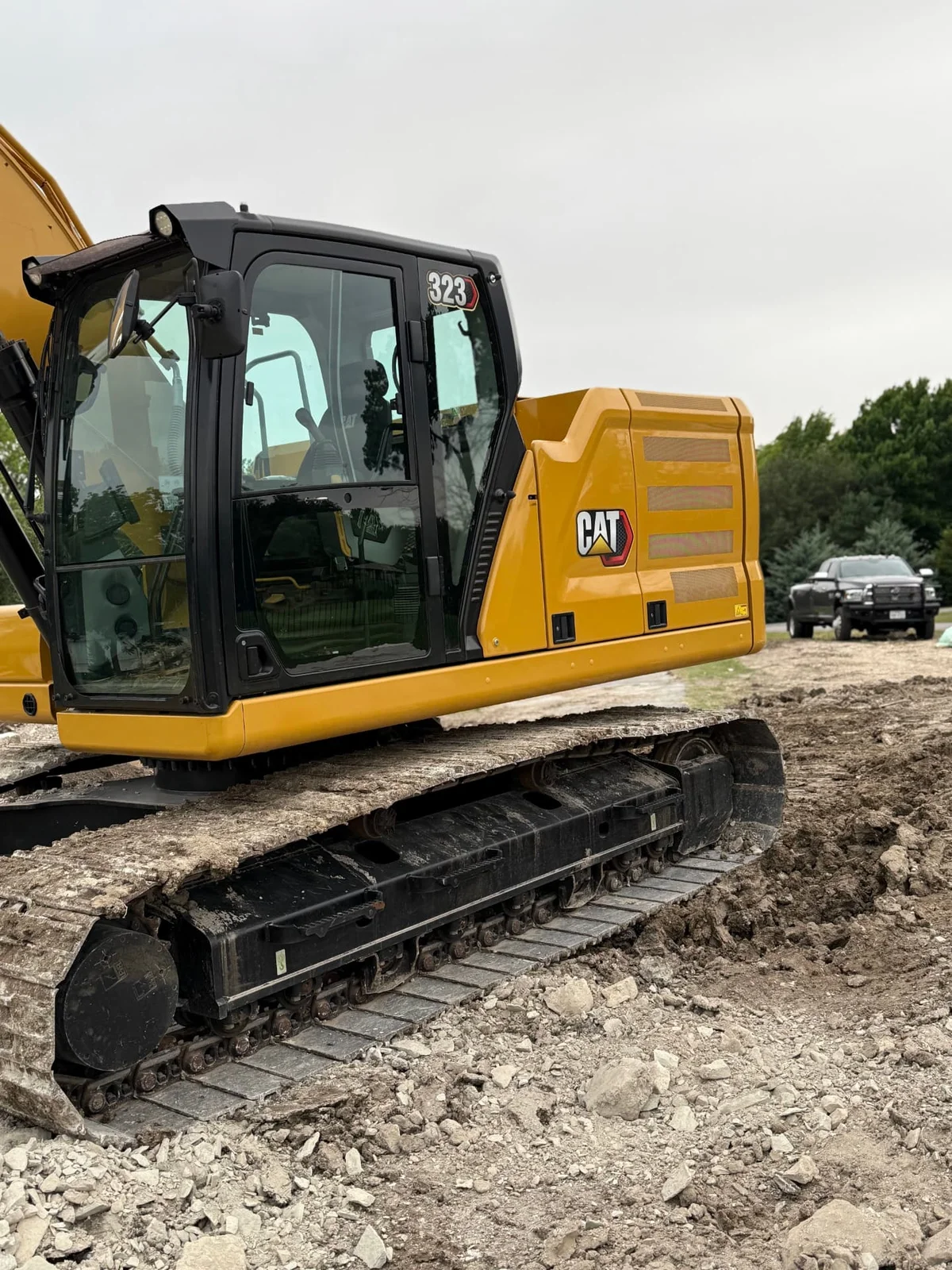
Excavation
Culvert Installation in McKinney, TX
Culvert installation and replacement for driveways, ranch roads and drainage ditches around McKinney, Anna, Trenton, Sadler and rural North Texas. Sized, set and backfilled so the road stays dry.
A culvert is a pipe that carries water under a driveway or road so vehicles can cross a ditch without blocking the flow. Steele Construction LLC installs and replaces culverts for driveways, ranch roads and drainage ditches in McKinney and across Collin, Grayson and Denton counties. The pipe is sized for the water the ditch carries, set to grade so water runs through it, and bedded and backfilled so the crossing carries vehicle traffic without shifting. Free estimates, one day response.
Driveways
Driveway Culvert Installation
Rural driveways around McKinney, Anna, Trenton and surrounding North Texas communities often cross roadside bar ditches, making proper culvert installation an important part of driveway construction and drainage.
Driveway culverts are set to the required grade, placed on a prepared base, then backfilled and compacted to create a stable crossing for vehicle traffic. Proper placement allows runoff to continue through the drainage ditch instead of pooling beside the driveway or washing across it.
Culvert installation can be completed with new driveway construction or as part of a larger drainage project that includes ditch excavation, drainage grading and driveway work.
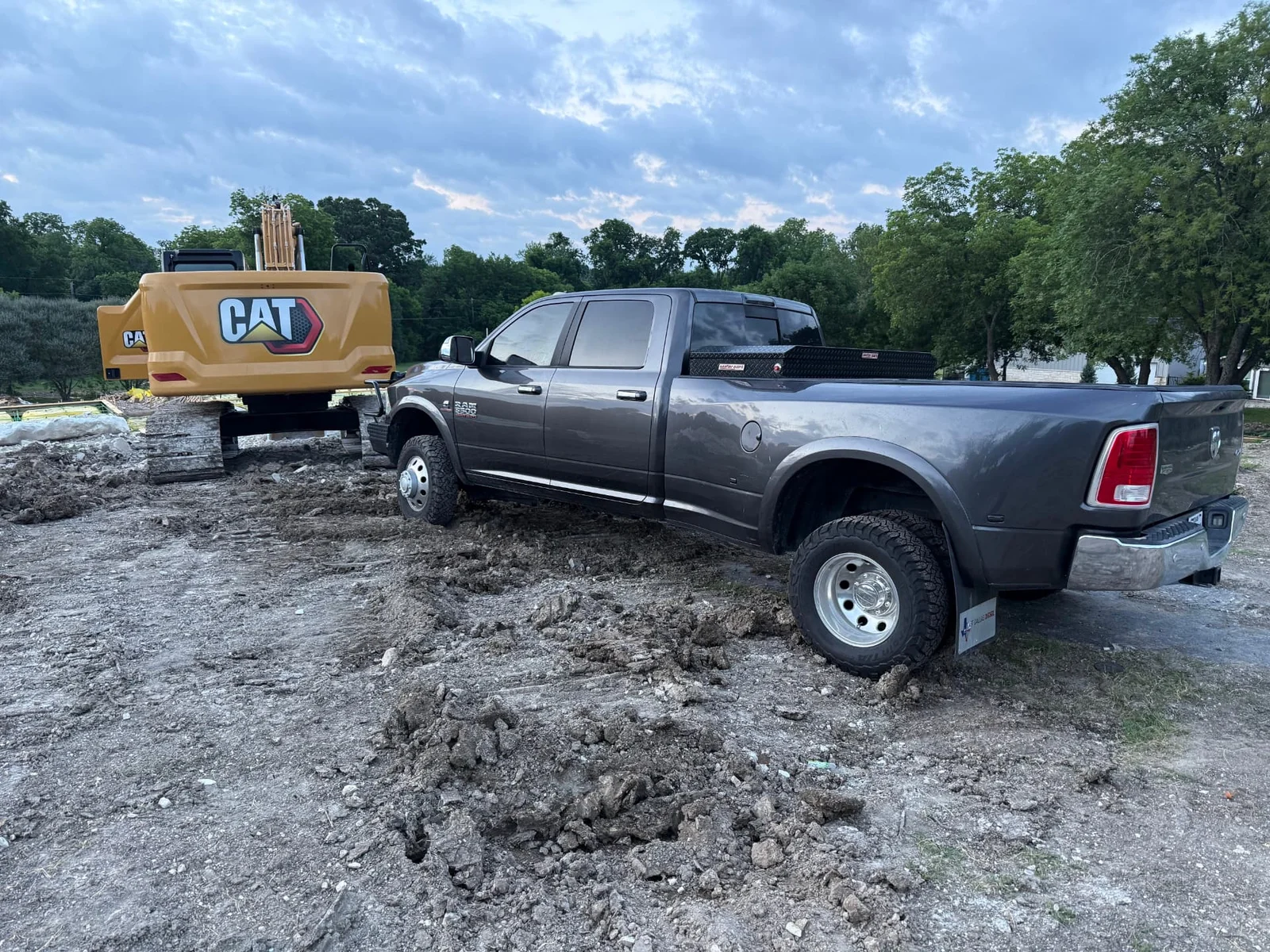
Ditches
Culvert Pipe Installation for Ditches and Crossings
Culverts go anywhere a road, a trail or a fence line has to cross moving water: a ranch road crossing a draw, a pasture road crossing a wet weather creek, a drainage ditch passing under a walkway or a fence. The job is the same as a driveway culvert at a different scale. The pipe is sized for the flow, set to grade, bedded, backfilled and covered with enough compacted material to carry whatever drives over it.
Sizing is the part that gets skipped. A culvert has to carry the water the ditch moves in a heavy rain, not on an average day, and a pipe that is too small clogs, backs up and eventually overflows the crossing. Width of the crossing and how much water arrives at once decide the diameter and sometimes the number of pipes.
Culvert installation is usually part of a bigger drainage job. The ditch has to be cut to grade so water reaches the culvert and leaves the other side, and the ground upstream has to be shaped so water gets to the ditch in the first place.
Replacement
Replacing a Crushed or Undersized Culvert
Old culverts fail two ways. They get crushed, usually by a loaded truck crossing a pipe that was covered too thin or backfilled loose, and the crossing starts to sag and then washes out. Or they were never big enough, and every heavy rain backs water up on the road side until it goes over the drive and cuts the surface away.
Replacing a culvert means digging out the crossing, pulling the old pipe, regrading the bed, setting a new pipe at the right size and grade, and rebuilding the drive over it with compacted fill and fresh surface. Where the old pipe was undersized, the new one goes in larger or a second pipe is added beside it.
If your driveway washes out at the same spot every year, or water stands on the road side of the drive after a rain, the culvert is the first thing to look at. Emergency and same day work is available when the schedule allows for a crossing that has already failed.
Permits
Culverts and County Road Permits
A culvert where a driveway meets a county road connects your property to the public right of way, and in many counties that crossing needs a driveway or culvert permit from the county road department before it goes in. The county may also specify the pipe size and the distance from the road. A culvert on a private road or ditch inside your property line is a different situation.
Tell us where the crossing is and we will tell you what we have seen for that county before the site visit.
Questions
Culvert Questions
What is a culvert?
A pipe that carries water under a road or driveway so vehicles can cross a ditch without blocking the flow.
How do I stop my driveway from washing out where it crosses the ditch?
Give the water a defined path. A drainage ditch cut to grade plus a properly sized culvert under the driveway keeps runoff moving instead of running over the surface.
How do you know what size culvert to install?
It depends on how much water the ditch carries in heavy rain and the width of the crossing. Undersized culverts clog and overflow, so the pipe is sized for the storm, not the average day.
Why does the ditch need to be cut to grade?
A ditch that is flat or has low spots holds water. Cutting it with consistent fall keeps water draining to the culvert and away on the other side.
Do I need a permit to install a culvert?
It depends on the county and whether the culvert connects to a public road. Check with your county road department before installing, and tell us where the crossing is so we can plan around it.
Can you replace a culvert that has been crushed?
Yes. The crossing is dug out, the old pipe is removed, a new pipe is set at the right size and grade, and the drive is rebuilt over compacted fill. Emergency work is available when the schedule allows.
Get a Culvert Estimate
Send the address and a photo of the crossing. We look at the ditch, size the pipe and put the price in writing. Free estimates.