
McKinney, TXCall 469-773-4171
Septic tank and lids exposed for a septic inspection on a rural lot

Septic inspections

Septic Inspections in McKinney, TX

Septic inspection service for McKinney, Allen, Sherman, Van Alstyne and property owners across Collin and Grayson counties. Annual inspections and a straight answer on what your system needs.

SafetyDiscipleshipIntegrityExcellence

Steele Construction LLC inspects septic systems for homeowners and property owners in McKinney and across Collin and Grayson counties. An annual septic inspection covers the tanks, the pump and aerator on aerobic systems, the spray heads or drain field, and the sludge and scum levels in the tank, and it ends with a plain report of what the system needs. We inspect systems we installed and systems we did not.

Once a year

Annual Septic Inspections

Annual septic inspections can identify problems with pumps, aerators, spray heads, tanks and other components before they lead to backups, drainage issues or system failure.

We inspect both aerobic and conventional septic systems throughout Collin and Grayson Counties, including Allen, McKinney, Van Alstyne and Sherman. If you’re unsure when your septic system was last inspected or serviced, we can check the system and let you know what it needs.

Septic system on a rural property, backfilled and regraded after installation

The checklist

What We Check During a Septic Inspection

Four areas, every visit.

Tanks and Lids

The tank lids and risers are located and opened. We look at the condition of the tank, the inlet and outlet, the baffles or filter, and whether water is sitting at the level it should. Lids that are cracked, buried or unsecured get flagged.

Pumps, Aerator and Alarms

On aerobic, LPD and drip systems the pump is checked for operation, the aerator is checked for airflow, the control box and float switches are tested, and the alarm is confirmed to work. On aerobic systems we also open the last lid, check the chlorine tablet container and add septic-grade tablets as needed. Chlorine is a required item on the yearly TCEQ maintenance report. A silent alarm on a failed pump is the most expensive thing an inspection can catch.

Spray Heads or Drain Field

Spray heads are checked for clogs, coverage and damage. On a conventional system the drain field is walked for wet spots, standing water, odor and unusually green growth, all of which point to a field that is overloaded.

Sludge and Scum Levels

The depth of solids at the bottom of the tank and the scum layer at the top are measured. That reading is what tells you whether the tank needs a pump out now or can wait, instead of guessing by the calendar.

Warning signs

Signs Your Septic System Needs an Inspection Now

Do not wait for the annual visit if you see any of these.

  • Slow drains or gurgling in more than one fixture.
  • Sewage odor in the yard, near the tank or inside the house.
  • A wet, soft or unusually green patch over the tank or field when it has not rained.
  • Standing water or effluent surfacing near the spray heads or drain field.
  • The aerobic alarm light or buzzer is on.
  • The chlorine tablet container on an aerobic system has been empty for a while, or someone has been putting pool chlorine in it.
  • Spray heads that do not run, or run constantly.
  • A backup in the lowest drain in the house.
  • The tank has not been pumped in years and nobody knows when it was last inspected.

Emergency and same day service is available when the schedule allows. If sewage is backing up into the house, call rather than sending the form.

Real estate

Septic Inspections When Buying or Selling a Property

A septic inspection before buying or selling a property can identify the system type, its condition, whether the tank needs pumping, and whether components such as the pump and aerator are working properly.

For buyers, it provides a better understanding of the septic system before closing. For sellers, a recent inspection can identify potential issues early and provide buyers with information about the system’s condition.

Next steps

What Happens If the Inspection Finds a Problem

If we find an issue, we’ll explain what’s wrong, how urgent it is and what needs to be done. Some problems, such as a full tank, clogged spray head or pump issue, can be handled with septic service or maintenance.

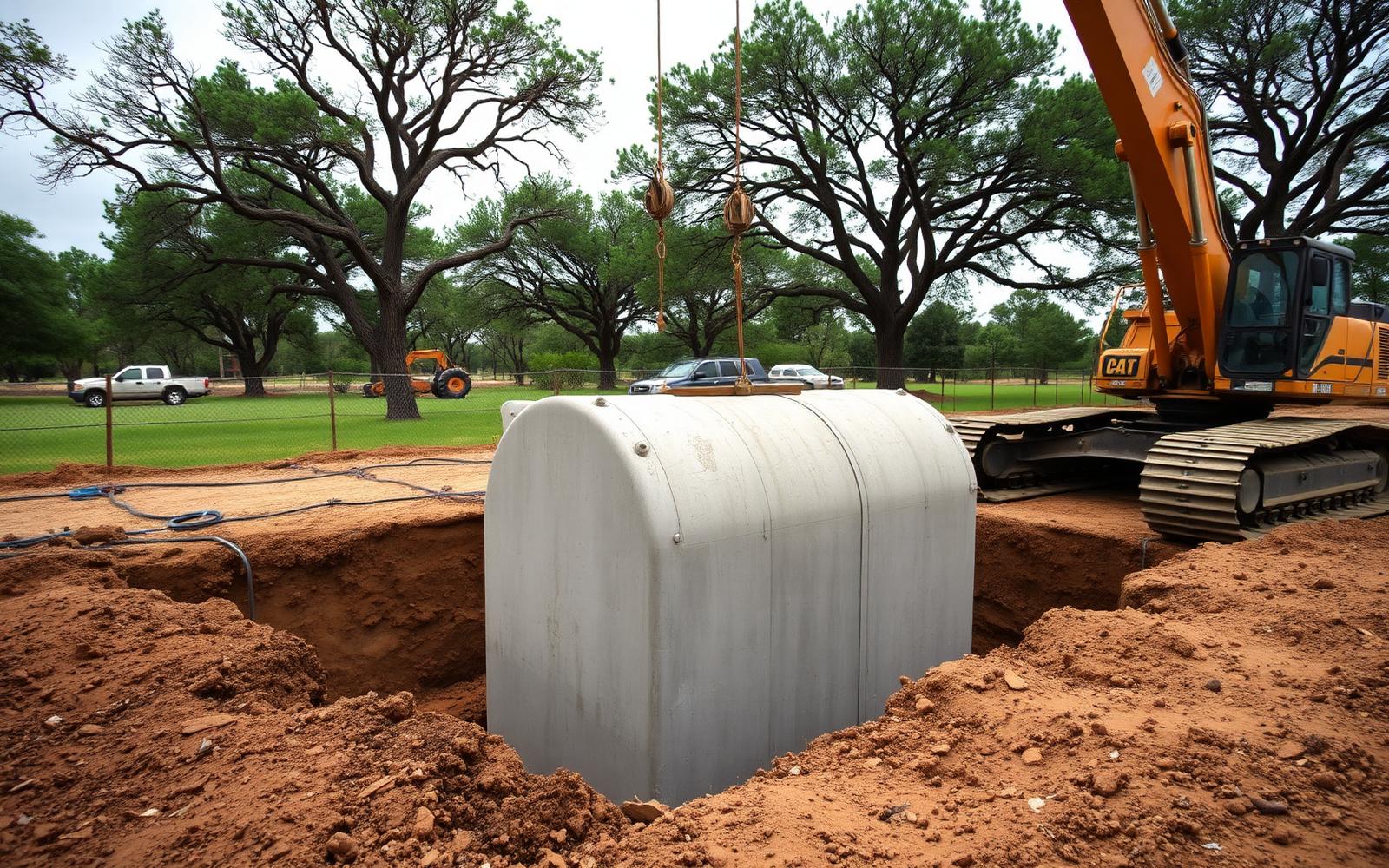
If the tank or drain field has failed, septic system replacement may be necessary. We’ll explain your options and recommend the right replacement system for the property.

Questions

Septic Inspection Questions

How often should a septic system be inspected?

Once a year is the standard for aerobic systems, which have a pump, aerator and alarm that run daily. Conventional systems benefit from the same schedule so the tank gets pumped before the field gets overloaded.

Do you inspect a septic system you did not install?

Yes. Annual inspections, pump maintenance and pump outs are available on any system, whoever put it in.

What does a septic inspection include?

The tanks and lids, the pump, aerator and alarms on aerobic systems, the chlorine tablet container, the spray heads or drain field, and a measurement of sludge and scum levels in the tank. You get a plain report on what the system needs.

What is the difference between a septic inspection and a pump out?

An inspection checks the condition of the whole system and measures how full the tank is. A pump out removes the solids from the tank. The inspection tells you whether a pump out is due.

Will you tell me if the system needs to be replaced?

Yes. If the field or the tank has failed, we say so and explain what a new system on your lot would involve. We install aerobic, conventional, low pressure dosing and drip systems.

How do I book an inspection?

Call 469-773-4171 or send the form with the property address and what type of system you have, if you know. Typical response time is one day.

Book an Inspection

Send the address and, if you know it, the system type and when it was last pumped. We schedule the visit and give you a straight answer on what it needs.